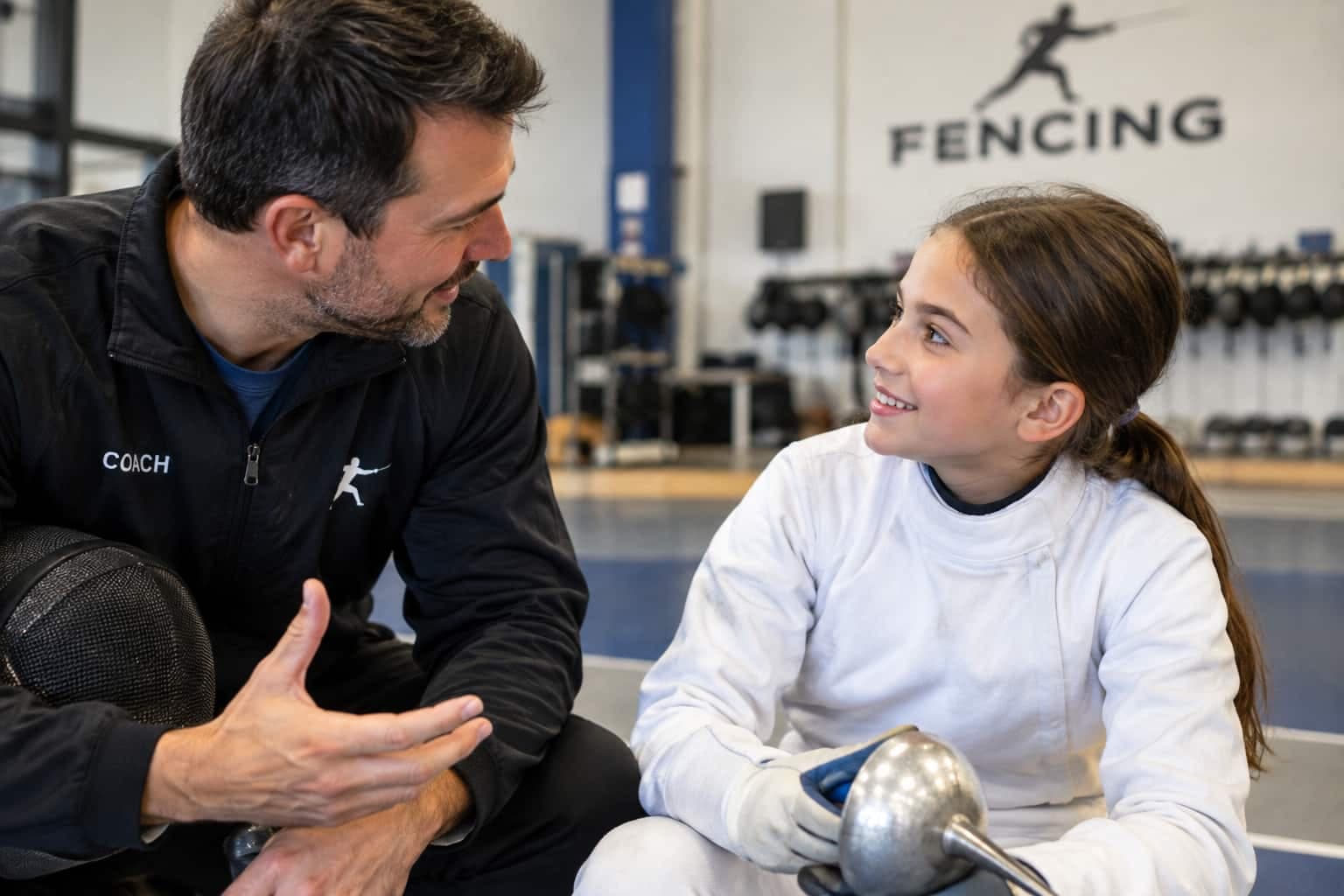
How Fencing Teaches Kids to Think Move and Grow

When parents are looking for a new activity for their children, they may not immediately think of fencing. The sport can look complicated at first, with protective masks, specialized equipment, and fast movements across the fencing strip. But once children step into their first class, they quickly discover that fencing is about much more than using a sword.
Fencing combines movement, concentration, coordination, strategy, and decision-making. Children learn to pay attention to what is happening around them, respond to changes, and stay focused even when a challenge does not go exactly as planned.
For families in South Florida, ALLE Fencing Club offers children the opportunity to discover these skills through saber fencing in a structured and supportive environment. The club focuses primarily on saber, one of the three disciplines of modern fencing. According to the club's website, its programs emphasize quick reactions, sharp focus, self-control, strategic thinking, creativity, teamwork, and sportsmanship.

Fencing Turns Practice Into Problem Solving
One of the interesting things about fencing is that children are constantly making decisions.
A fencer cannot simply memorize a set of movements and expect them to work every time. During practice and competition, they have to watch their opponent, recognize an opportunity, decide how to respond, and adjust when something changes.
That makes fencing a physical activity that also requires a lot of mental attention.
ALLE Fencing Club's youth beginner program introduces children ages 6 to 12 to basic saber handling, footwork, distance control, fencing etiquette, sportsmanship, coordination, focus, and the rules of fencing. Junior beginner classes are available for students ages 12 and older.
These fundamentals give children a chance to build their skills one step at a time.
Learning to Stay Focused
For many children, staying focused can be challenging. Fencing provides a very active reason to pay attention.
A fencer needs to listen to the coach, understand the drill, watch their partner, control their movements, and remember what they are trying to accomplish. Even a simple exercise can require concentration from beginning to end.
With practice, children can become more comfortable focusing on one task and working through mistakes instead of becoming discouraged by them.

At ALLE Fencing Club, the beginner program is designed to introduce children to the sport in a supportive environment while teaching the fundamentals. The club also offers private lessons for fencers who want more individualized instruction and customized training.
Confidence Comes From Progress
Confidence does not always come from winning.
For a child learning fencing, confidence can come from something much simpler. It might be successfully completing a footwork drill, remembering a new technique, improving distance control, or feeling comfortable enough to participate in a first bout.
Those small accomplishments add up.
Fencing also gives children a chance to experience both success and setbacks. They learn that making a mistake does not mean they cannot improve. Instead, they can listen to their coach, practice the skill again, and try a different approach.
That process can make learning feel less intimidating and help children understand the value of patience and persistence.
From Beginner Classes to Competition
Not every child who tries fencing will want to compete, and they do not have to. Some children may simply enjoy learning a unique sport and being active with other kids.
For those who do become interested in competition, fencing can offer a longer-term path for development.
ALLE Fencing Club offers advanced and elite training for experienced fencers, with instruction focused on tactics, strategy, endurance, speed, focus, self-control, and preparation for tournaments. The club also provides private lessons for students who want additional individual instruction.

The progression from beginner to more advanced training can give children something meaningful to work toward. A child who starts simply curious about fencing may eventually discover a sport they want to pursue for years.
What Makes Saber Fencing Different?
Fencing has three modern disciplines: foil, épée, and saber. ALLE Fencing Club specializes in saber fencing.
Saber has its own techniques, rules, and style, making it a fast-paced and dynamic introduction to the sport. At the beginner level, children first learn the fundamentals rather than being expected to master everything immediately.
The club's website also notes that necessary equipment is provided for students participating in its beginner program, which can make it easier for families to give fencing a try without immediately purchasing a full set of fencing gear.

A Sport That Can Grow With a Child
One of the appealing things about fencing is that children can approach the sport at different levels.
A beginner can focus on learning the basics. A child who becomes more interested can take additional lessons and develop more advanced skills. Competitive fencers can work toward tournaments and higher levels of training.
That flexibility allows fencing to become more than a short-term activity. It can become a sport where children continue setting new goals as their skills develop.
A Message From ALLE Fencing Club
Alexander Lepeshinski, who leads the fencing program at ALLE Fencing Club, emphasizes the importance of developing the whole athlete, not simply teaching fencing techniques.
“Every child develops at their own pace. Our goal is to give students the skills, discipline, and confidence to keep improving. Fencing teaches them to think, stay focused, handle challenges, and understand that progress comes from consistent work and practice.”
— Alexander Lepeshinski, ALLE Fencing Club ALLE Fencing Club.
The philosophy fits closely with the skills highlighted throughout ALLE Fencing Club's website, including focus, self-control, strategic thinking, confidence, discipline, coordination, and sportsmanship.

Try Fencing in Fort Lauderdale
For families interested in introducing their children to fencing, ALLE Fencing Club offers youth beginner classes for ages 6 to 12, junior beginner programs for ages 12 and older, as well as advanced, elite, private lesson, and camp opportunities. The club also offers free trial fencing classes for youth and junior beginners.
Located at 5402 NW 36th Ave, Fort Lauderdale, FL 33309, ALLE Fencing Club provides a place for children to learn saber fencing while developing physical skills, concentration, discipline, and confidence.
For parents searching for something different from traditional team sports, fencing can be an exciting option. It gives children a chance to move, think, compete, make friends, and discover what they are capable of learning.
Learn more about classes and programs at ALLE Fencing Club or discover the program on BeAKid.